

Feds Challenged by Encrypted Devices of San Bernardino Attackers

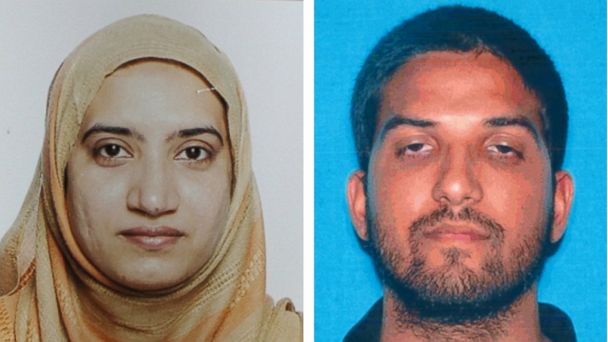
The couple who launched the terrorist attack in San Bernardino, California, last week had devices with some form of encryption, making it difficult for authorities to access all potential information on phones and perhaps other devices, two senior U.S. officials told ABC News.
"Some of their digital media we have been able to exploit. Some of it we have not," one official said.
It is unclear if the entire devices were encrypted or specific files within them. Efforts to fully access the devices are ongoing, officials said.
Earlier today, FBI Director James Comey reiterated the threat posed by ISIS-inspired radicals and other terrorists who use encrypted communications.
"There's no doubt that use of encryption is part of terrorist tradecraft now," Comey told the Senate Judiciary Committee. "Increasingly, we are unable to see what they say, which gives them a tremendous advantage against us."


To help illustrate his point, Comey cited the May assault in Garland, Texas, when two ISIS-inspired attackers opened fire outside of an event hosting cartoons of the Prophet Muhammad. Both were fatally shot by police standing guard, and no one else was seriously injured.
Comey disclosed today that on the morning of the attack, one of the shooters exchanged 109 messages with "an overseas terrorist." However, "we have no idea what he said because those messages were encrypted."
"That is a big problem. We have to grapple with it," Comey added.

