CENTCOM said it will block all traffic 'entering and exiting Iranian ports.'

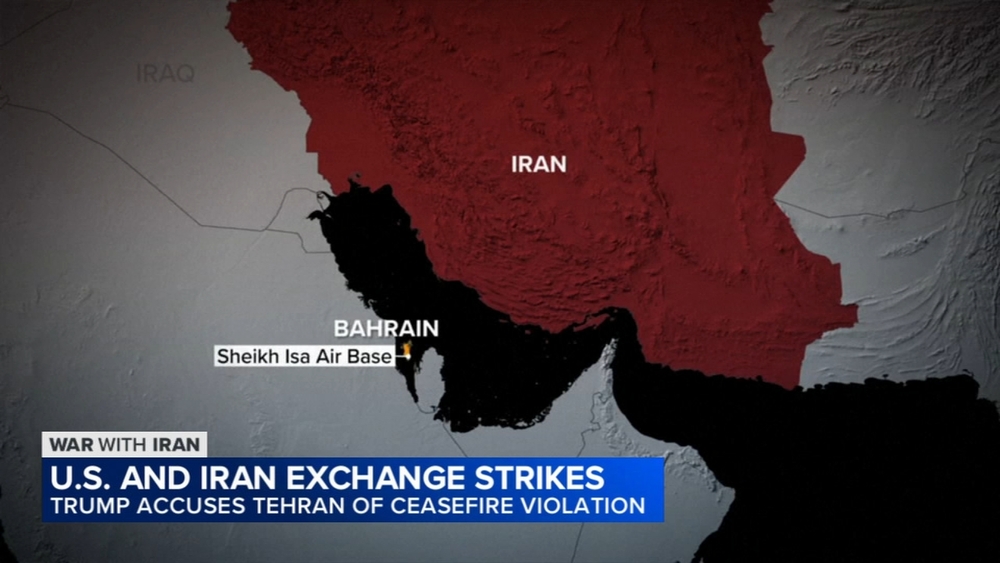
President Donald Trump announced "major combat operations" against Iran on Feb. 28, with massive joint U.S.-Israeli strikes targeting military and government sites.
Trump set a deadline for Iran to fully reopen the Strait of Hormuz or face broad strikes on its critical infrastructure. Hours before the deadline expired, Trump said he had agreed to suspend planned bombing for two weeks if Iran agreed to reopen the Strait of Hormuz.
Iranian Foreign Minister Abbas Araghchi then said that "safe passage through the Strait of Hormuz will be possible via coordination with Iran's Armed Forces and with due consideration of technical limitations."
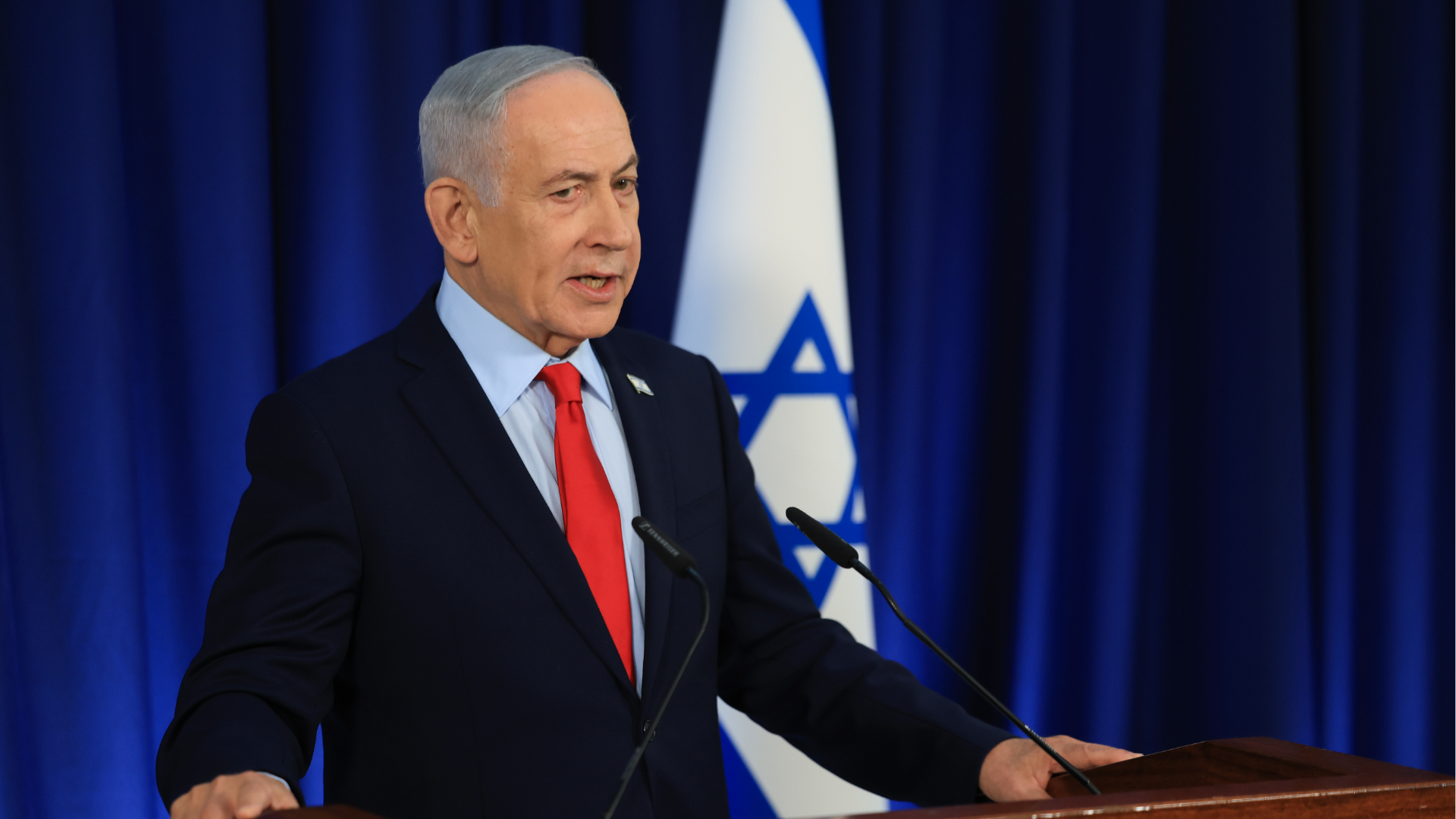
Israeli Prime Minister Benjamin Netanyahu said he supported the ceasefire with Iran, but that Lebanon -- where intense Israeli strikes continued -- was not covered by the agreement, despite Iranian protests.


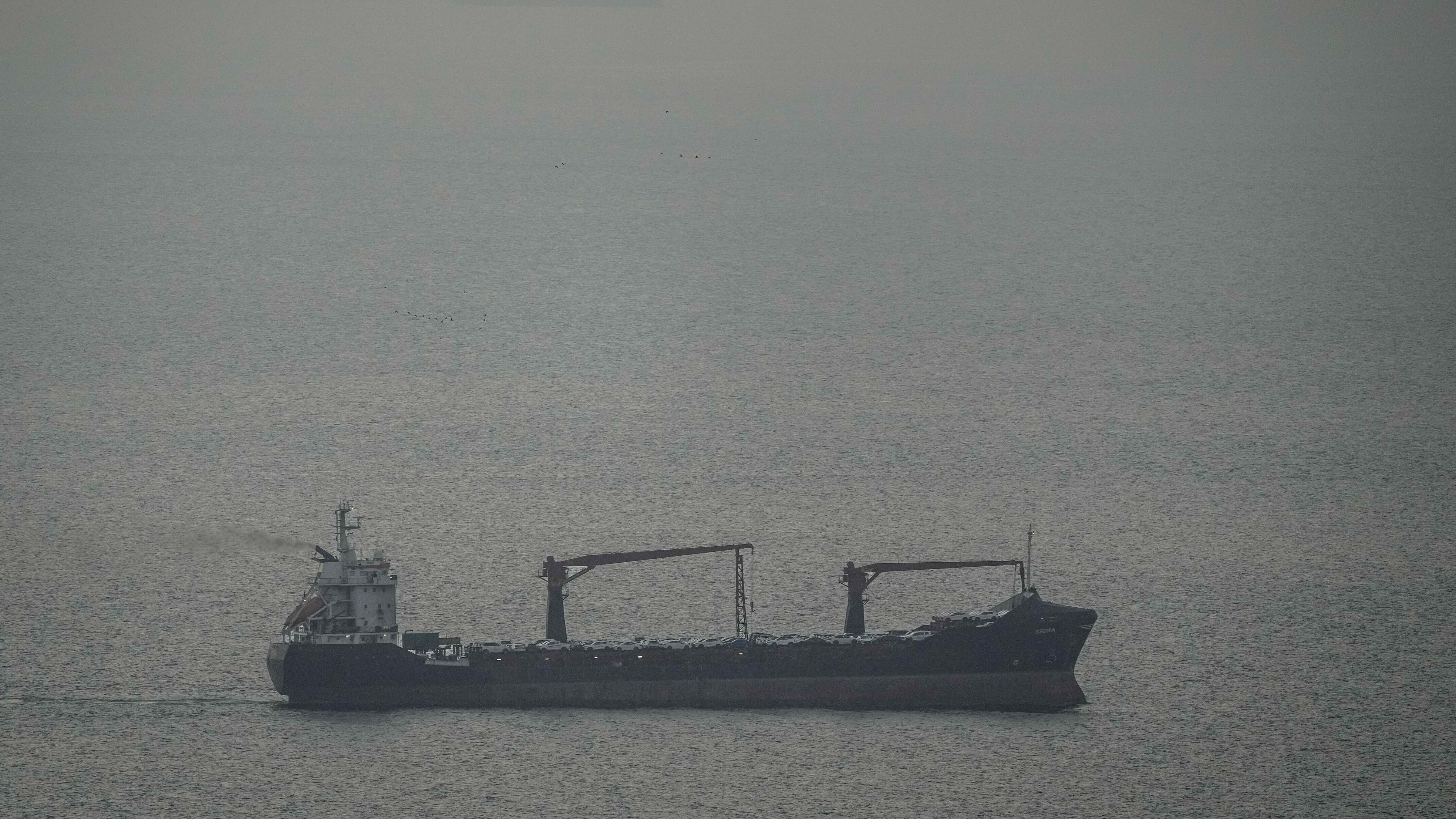
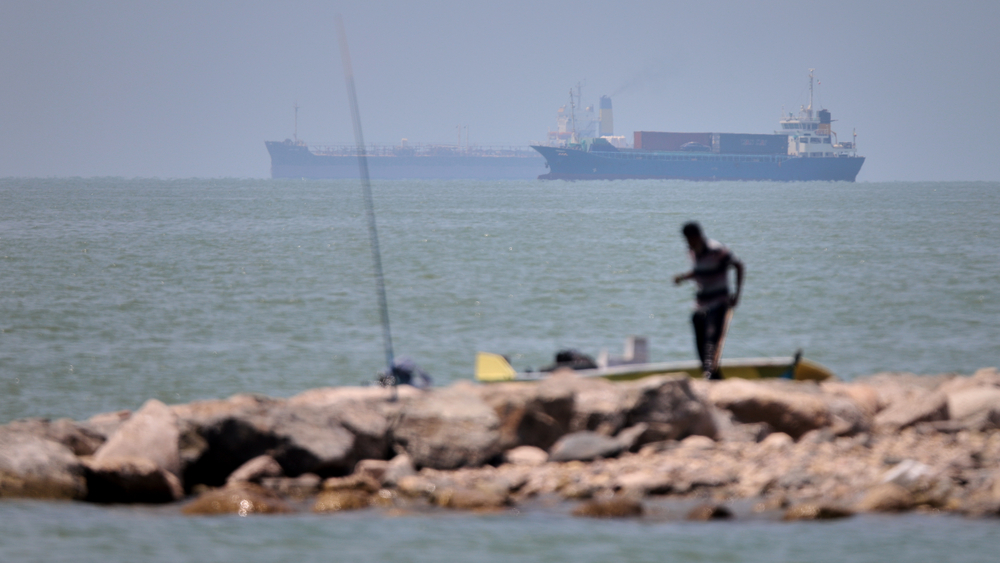
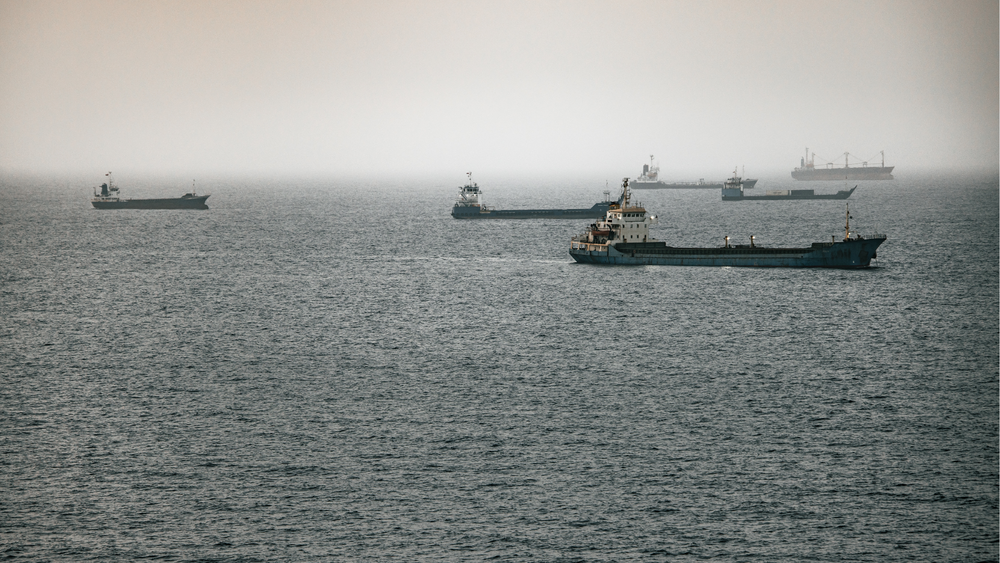
Only five bulk carriers crossed the Strait of Hormuz on Wednesday, according to global ship tracking firm Kpler. This is the lowest number Kpler has observed since March 27.
All five ships were bulk carrier vessels. No oil or gas tankers transited the strait on Wednesday, according to Kpler.

Iranian Deputy Foreign Minister Saeed Khatibzadeh told ITV News on Thursday that the Strait of Hormuz is open to all vessels that coordinate their movements with Iranian authorities.
Asked if Tehran will allow American vessels to transit the waterway, Khatibzadeh said that so long as there is no "hostile behavior," any ships that receive authorization from Iranian authorities will be able to pass.

Pakistani Foreign Minister Ishaq Dar and European Union foreign affairs chief Kaja Kallas both "expressed concern over serious violations of the ceasefire in Lebanon" in a phone conversation on Thursday, according to a readout from the Pakistani Foreign Ministry.
The two officials emphasized the need for the "full implementation of the temporary ceasefire in the Middle East," the readout said.
In a post to her own X channel, Kallas said that Hezbollah "dragged Lebanon into the war, but Israel's right to defend itself does not justify inflicting such massive destruction."
"Israeli actions are putting the U.S.-Iran ceasefire under severe strain. The Iran truce should extend to Lebanon. Hezbollah must disarm. The EU supports Lebanon's efforts to disarm Hezbollah," Kallas added.
Israeli Prime Minister Benjamin Netanyahu and Vice President JD Vance have said Lebanon was not included in the two-week ceasefire agreement announced on Tuesday.
Pakistani Prime Minister Shehbaz Sharif, though, said in his announcement of the truce that Lebanon was covered.
Iranian officials and state media have likewise suggested that Lebanon is part of the ceasefire deal and have warned that continued Israeli action there could prompt Iranian retaliation.