Stalling trade deal could jeopardize exports for Central Valley farmers


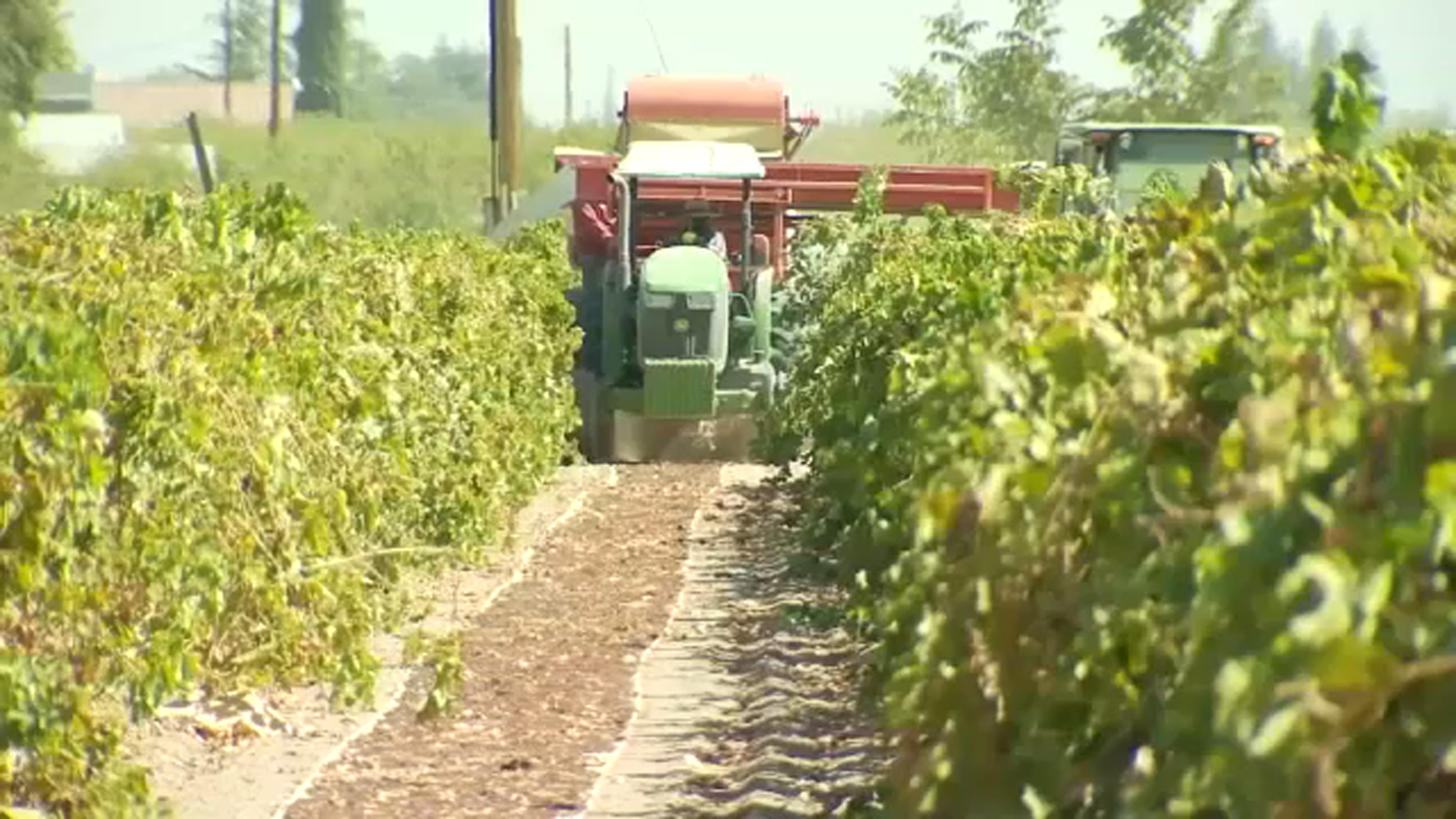
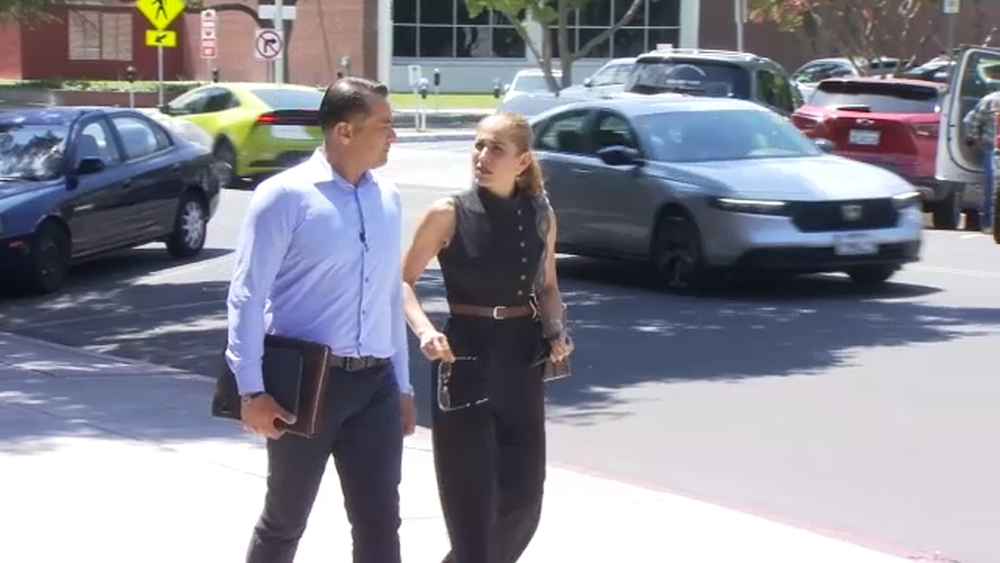
FRESNO COUNTY, Calif. (KFSN) -- Central Valley farmers, agricultural leaders and elected officials gathered Tuesday to discuss growing concerns over international trade as negotiations continue over the future of a key agreement linking the United States, Mexico and Canada.
Hosted by Farmers for Free Trade and the Fresno County Farm Bureau, the meeting focused on the United States-Mexico-Canada Agreement, or USMCA, and the implications prolonged negotiations could have on California agriculture.
"We have challenges, real challenges in front of us right now," Rep. Jim Costa said.
Farmers were joined by Costa and California Department of Food and Agriculture Secretary Karen Ross, who emphasized the importance of preserving strong trade relationships with two of the state's largest agricultural markets.
"American agriculture is a national security issue. It is a national security issue," Costa said.
"The longer some of these disruptions go on, the more people will find alternatives, and that is happening," Ross said.
The USMCA, which took effect in 2020 and replaced the North American Free Trade Agreement, allows tariff-free trade among the three countries.
Agricultural leaders say that access is critical to California farmers, who rely on exports to Mexico and Canada.
According to Farmers for Free Trade Executive Director Brian Kuehl, the uncertainty surrounding negotiations is putting billions of dollars in agricultural sales at risk.
"That's what allows us to sell $8 billion a year in ag products because we can ship those to Mexico and Canada without having extra taxes put on top of that," Kuehl said.
He noted that the agreement also supports imports that are important to U.S. agriculture.


"The flip side of the coin is true too. Mexico, for example, can send feeder cattle to the United States. Canada can sell fertilizer to the United States," Kuehl said.
The meeting gave farmers an opportunity to discuss both the benefits and challenges of the trade agreement as negotiations continue.
Organizers said a new agreement would provide long-term certainty for agricultural producers and businesses.
"That gives everybody a chance to plan, to plan new facilities, to plan what they're going to purchase and the stability to know that at least this part of the world has stabilized trade," Kuehl said.
The discussions come as trade talks between the United States and Canada continue, with the possibility of new tariffs creating additional uncertainty for agricultural markets.
"If we get into a trade war, Canada will put tariffs on our products, and that will drive down the competitiveness of U.S. ag products," Kuehl said.
Participants at Tuesday's meeting said reaching a deal remains a top priority, warning that continued uncertainty could have lasting consequences for farmers and agricultural businesses throughout the Central Valley.
For news updates, follow Vincent Camarillo on Instagram.