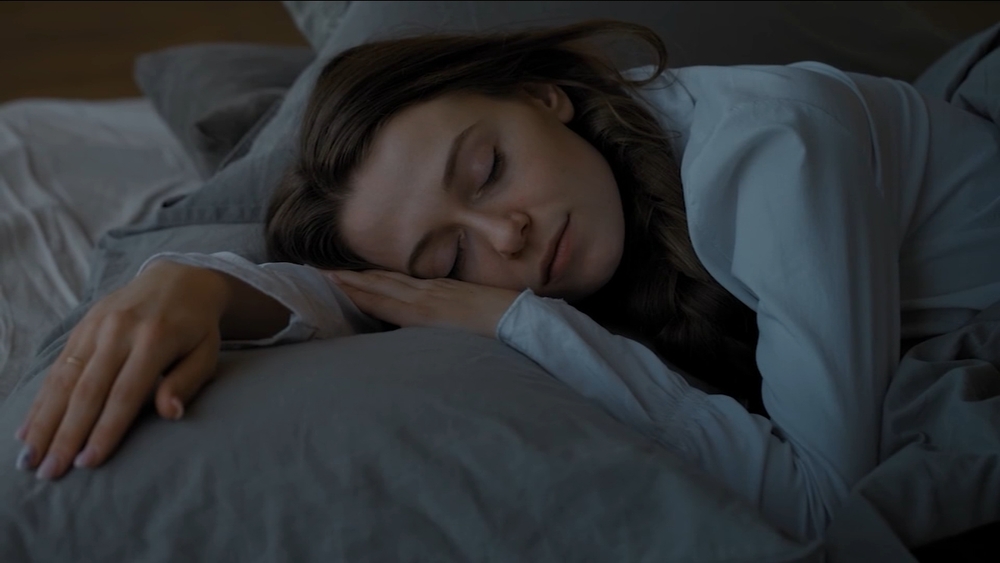
CDC report finds nearly one-third of U.S. adults not getting enough sleep
The findings also indicate that some adults are turning to medications and other substances to help them fall asleep.


FRESNO, Calif. (KFSN) -- Nearly one-third of U.S. adults are not getting the recommended amount of sleep, according to new research published by the Centers for Disease Control and Prevention.
The CDC report shows that in 2024, roughly 30.5% of adults slept less than seven hours per night on average. The findings also indicate that some adults are turning to medications and other substances to help them fall asleep.
Dr. Lourdes DelRosso, Inspire Health Sleep Medicine Director and a UCSF Fresno professor, said national data over multiple years shows a consistent pattern.
According to the American Academy of Sleep Medicine, adults should get at least seven hours of sleep per night.
DelRosso said several factors may contribute to chronic sleep deprivation, including lack of emotional or community support.
"Low emotional support has significantly higher odds of short sleep, and that means people who are isolated or don't have community support," she said.
She added that underlying sleep disorders may also play a role, including insomnia, sleep apnea and circadian rhythm disorders.
"The symptoms would be, for example, snoring, inability to fall asleep at an appropriate time, waking up through the night unexplained, waking up too early or even sleeping enough but then waking up not refreshed," DelRosso said.
The CDC study also found that about 12.9% of adults reported using sleep aids most days in the past month to help them fall asleep.
That includes about 5.2% who used prescription medications, 5.7% who used over-the-counter drugs or supplements and 3.7% who used marijuana or CBD products.
DelRosso said the long-term effects of these substances are not fully understood.



"We don't know yet what it can do in the body with long-term use," she said.
She also warned about the potential risks of sleep supplements, noting they are not tightly regulated.
"What is dangerous about supplements is that they're really unregulated, so we do not know if they are mixed with other substances. There are studies that have shown that there's as much as a 500% difference in the doses in some of the products," DelRosso said.
DelRosso recommends that people experiencing ongoing sleep problems talk with their physician to determine the most appropriate treatment for their individual situation.
The research from the CDC comes from two new studies using airworthy survey data.
For news updates, follow Danyelle Burke North on Instagram and TikTok.