Detectives detail search Warrants, digital evidence and DNA testing in Caleb Quick's death

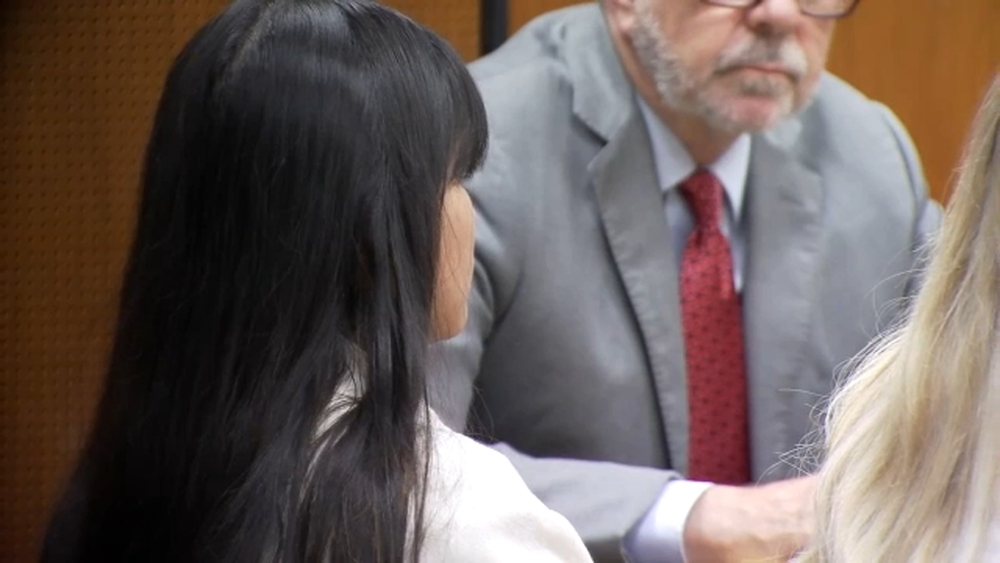
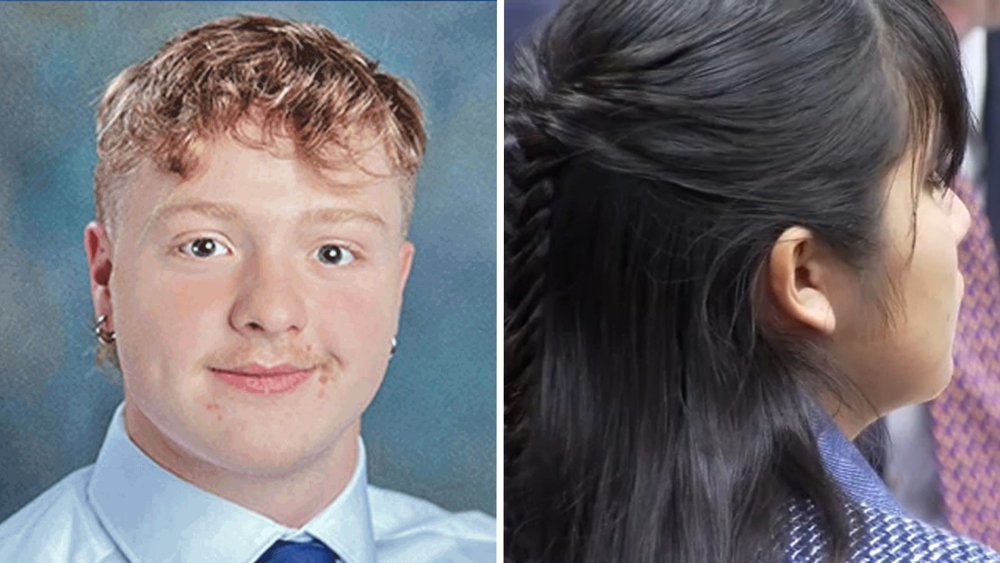
FRESNO, Calif. (KFSN) -- Wednesday, Cassandra Michael's trial continued in the case of Caleb Quick's death, as Judge Brian Alvarez heard testimony from Clovis police detectives, an evidence expert and a California Department of Justice DNA analyst as prosecutors continued presenting evidence in the case.
Detective Malhi
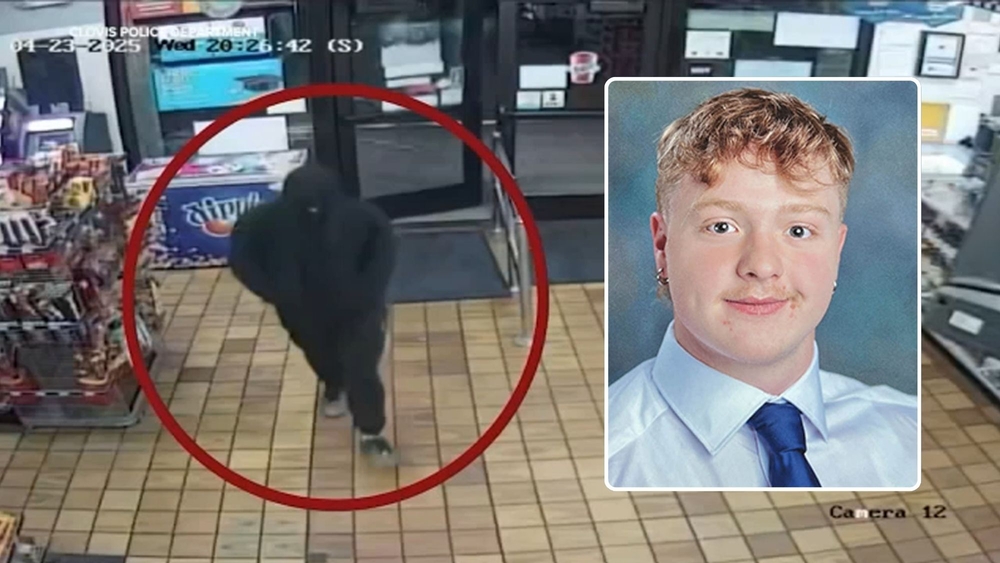
Detective Lovedeep Malhi testified investigators did not recover a shell casing or projectile at the scene of the shooting despite searches conducted the night of the shooting and again the following morning. (A shell casing would later be discovered in the alleged shooter's home)
Malhi said investigators searched the area around the scene and across the street but found no bullet. Based on witness descriptions of a revolver and the absence of a shell casing, investigators concluded a revolver was likely used.
The detective testified that investigators later obtained search warrants for Cassandra's phone records, Tesla records and home.
During a search of Cassandra's residence, officers found her white Tesla in the garage. Malhi said Cassandra was home alone when officers arrived. After receiving no response despite announcing their presence, officers forced entry as Cassandra approached the front door. Her cellphone was seized, along with a MacBook, an Android phone and a Tesla key card found in her bedroom.
Malhi testified investigators sought vehicle data from Tesla, including travel history and potential audio or video recordings, but Tesla did not provide any data.
Investigators also examined a USB device from the Tesla that could have stored camera footage. Malhi testified no video data was recovered and investigators could not determine whether footage had been deleted or if recording had never been activated.
Malhi said investigators later searched the residence of Cassandra's boyfriend after reviewing social media accounts connected to the investigation.
According to Malhi, detectives found a spent .357-caliber Smith & Wesson shell casing on a closet shelf in a bedroom identified as belonging to the suspected teen shooter. Photos shown to the court also depicted two Smith & Wesson revolvers recovered from a dresser, including a black revolver and a stainless steel revolver. Both were .357 caliber, Malhi testified.
The silver revolver is believed to be the murder weapon.
Investigators also seized electronic devices belonging to Cassandra and her boyfriend and extracted data from the devices.
Text Messages
Malhi testified investigators reviewed text messages between Cassandra and her boyfriend discussing allegations that Caleb Quick had sexually assaulted a friend of Cassandra's identified in court as Jane Doe.
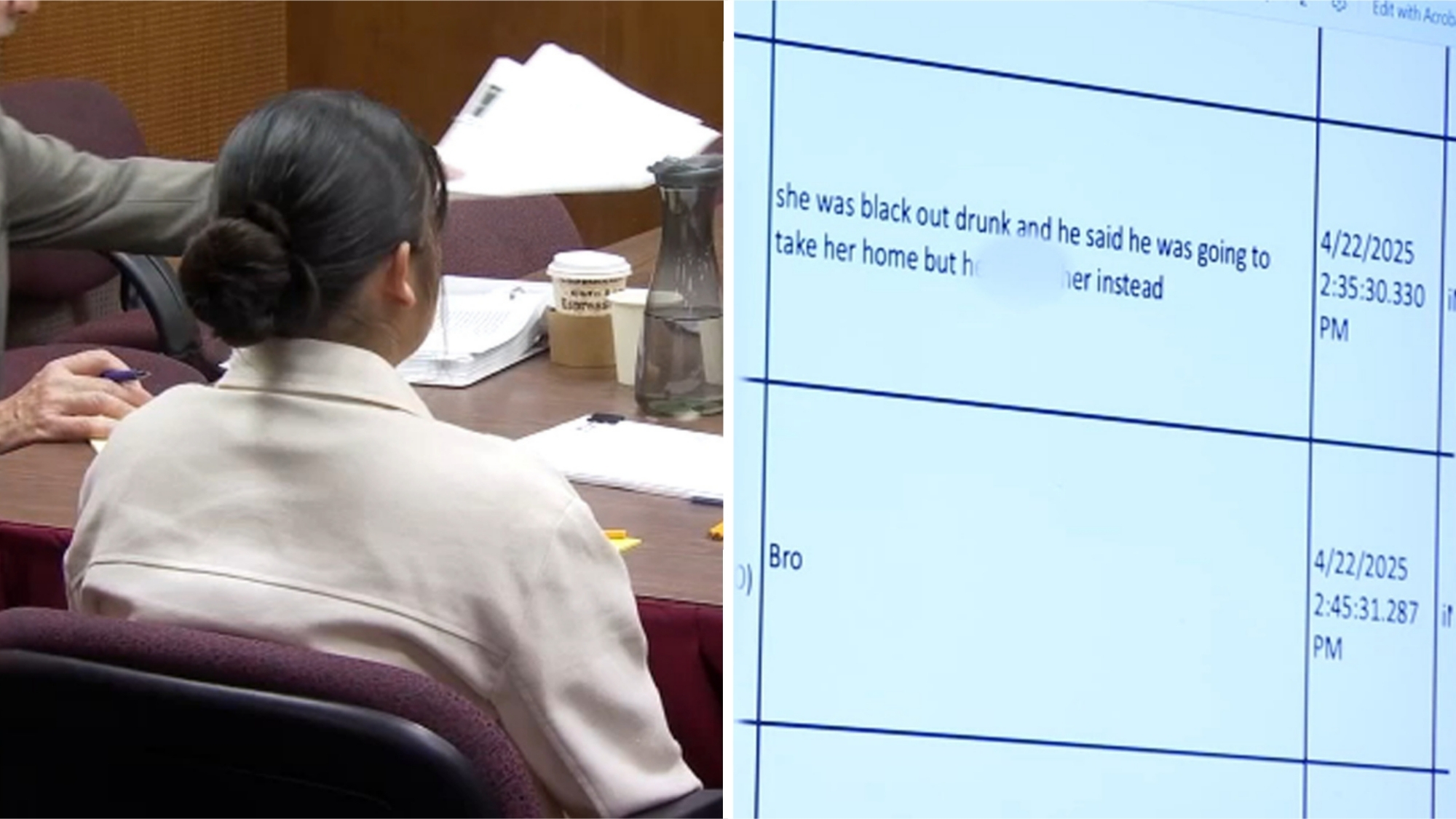
Jurors were shown portions of a text conversation from April 22, 2025, the day before the shooting.
According to testimony, Cassandra wrote: "she was black out drunk and he said she would take her home but he f**** her instead."
She later wrote: "yeah he took full advantage of her."
Her boyfriend responded: "yeah im pissed."
Cassandra also wrote: "I'm disgusted... it's actually disgusting, i feel so bad for (JANE DOE)."
Messages shown later in the exchange occurred after the shooting on April 23, 2025.
At 10:31 p.m., Cassandra texted: "I'm home."
Her boyfriend replied: "Okay... how you feeling."
Cassandra responded: "I'm just in shock honestly... like idk how to feel."
During cross-examination, defense attorney Jeff Hammerschmidt questioned Malhi about the investigation and the contents of the phone evidence.
Malhi testified investigators found no messages in which Cassandra said she wanted Caleb shot and no messages indicating she was pleased after the shooting occurred.
Hammerschmidt references Cassandra feeling "shocked" after the shooting, to which Malhi replies, "not (shocked) enough to tell police what had happened."
Hammerschmidt also highlighted a phone call referenced during prior testimony in which Michael Dexter said the suspected teen shooter discussed the allegations against Caleb before the text conversation prosecutors presented in court.
On redirect, Chief Deputy District Attorney Kendall Reynolds asked about the missing Tesla video data. Malhi testified investigators found a search on the boyfriend's phone concerning how long Tesla footage remains available before being erased.
On recross, Malhi acknowledged investigators could not determine whether any Tesla footage had actually been deleted.
Detective Kendric Anderson
Detective Kendric Anderson testified he assisted with the investigation and interviewed multiple witnesses.
While searching along what investigators believed was the suspected shooter's path after the shooting, Anderson said he located a black surgical mask in the dirt near Nees Avenue west of Willow Avenue. The mask was collected as evidence.
Anderson also testified he later obtained a DNA swab from Cassandra.
During cross-examination, Hammerschmidt asked whether he believed Clovis police conducted a full and thorough investigation. Anderson replied that they had.
Officer Emilee Eide
Officer Emilee Eide testified she interviewed Cassandra at her grandmother's home on April 25, 2025.
According to Eide, Cassandra described her friendship with Caleb and said a former boyfriend had warned her not to associate with him because of a reputation for sexually assaulting girls.
Eide testified Cassandra also discussed the allegations involving Jane Doe and said she did not know who would want to hurt or kill Caleb, though she said a former boyfriend disliked him because of that reputation.
Eide said Cassandra did not appear nervous during the interview.
Eide also assisted with the search of the boyfriend's residence and collected a DNA swab from him.
During cross-examination, Sally Vecchiarelli questioned Eide about interviews related to allegations against Caleb.
Eide testified she interviewed Jane Doe and reviewed six videos from Caleb's cellphone that, according to her testimony, included Jane Doe, but the content of the videos was not shared in court. Eide said the videos were timestamped April 14, 2025, at 3:49 a.m.
Evidence Collection
Jeff Salley, of the Clovis Police Department's Property and Evidence division, testified about evidence handling procedures, including chain-of-custody requirements for firearms and electronic devices.
Salley testified he received two revolvers and a shell casing connected to the investigation before transferring the items to the California Department of Justice laboratory in Fresno for testing.
DOJ DNA Analyst
Christopher Johnson, a senior criminalist with the California Department of Justice Fresno Regional Laboratory, testified as an expert in DNA analysis.
Johnson said he tested evidence including the two revolvers, the black surgical mask, shell casings and other items for DNA associated with Cassandra, Caleb and the suspected teen shooter.
According to Johnson, DNA recovered from portions of the black revolver produced a mixture that included limited support for the exclusion of both Caleb and the suspected teen shooter. The analysis was uninformative as to the inclusion and exclusion of Cassandra Michael.
Additional testing on the firearm showed strong support for the inclusion of the suspected teen shooter's DNA and strong support for excluding both Cassandra and Caleb.
Johnson also testified about testing conducted on the stainless steel revolver, the suspected murder weapon. He said portions of that firearm showed strong support for the inclusion of both Cassandra and the suspected teen shooter, and strong support for the exclusion of Caleb Quick's DNA.
Other tested areas showed "very" strong support for the inclusion of Cassandra.
Testing of the spent shell casing did not produce interpretable DNA results, Johnson testified.
Johnson said a DNA sample recovered from the black surgical mask was too limited for further analysis.
Under questioning from Vecchiarelli, Johnson testified that DNA testing cannot determine how or when DNA was deposited on an object and that DNA can be transferred indirectly. He also said he could not determine who last handled the stainless steel revolver or how much DNA any individual contributed to the sample.
On redirect, Reynolds asked whether Caleb's DNA could have been present on the stainless steel revolver but no longer detectable when testing occurred. Johnson responded that it was possible.
For news updates, follow Vincent Camarillo on Instagram.