Study linking ultra-processed foods to chronic disease leads to government lawsuit
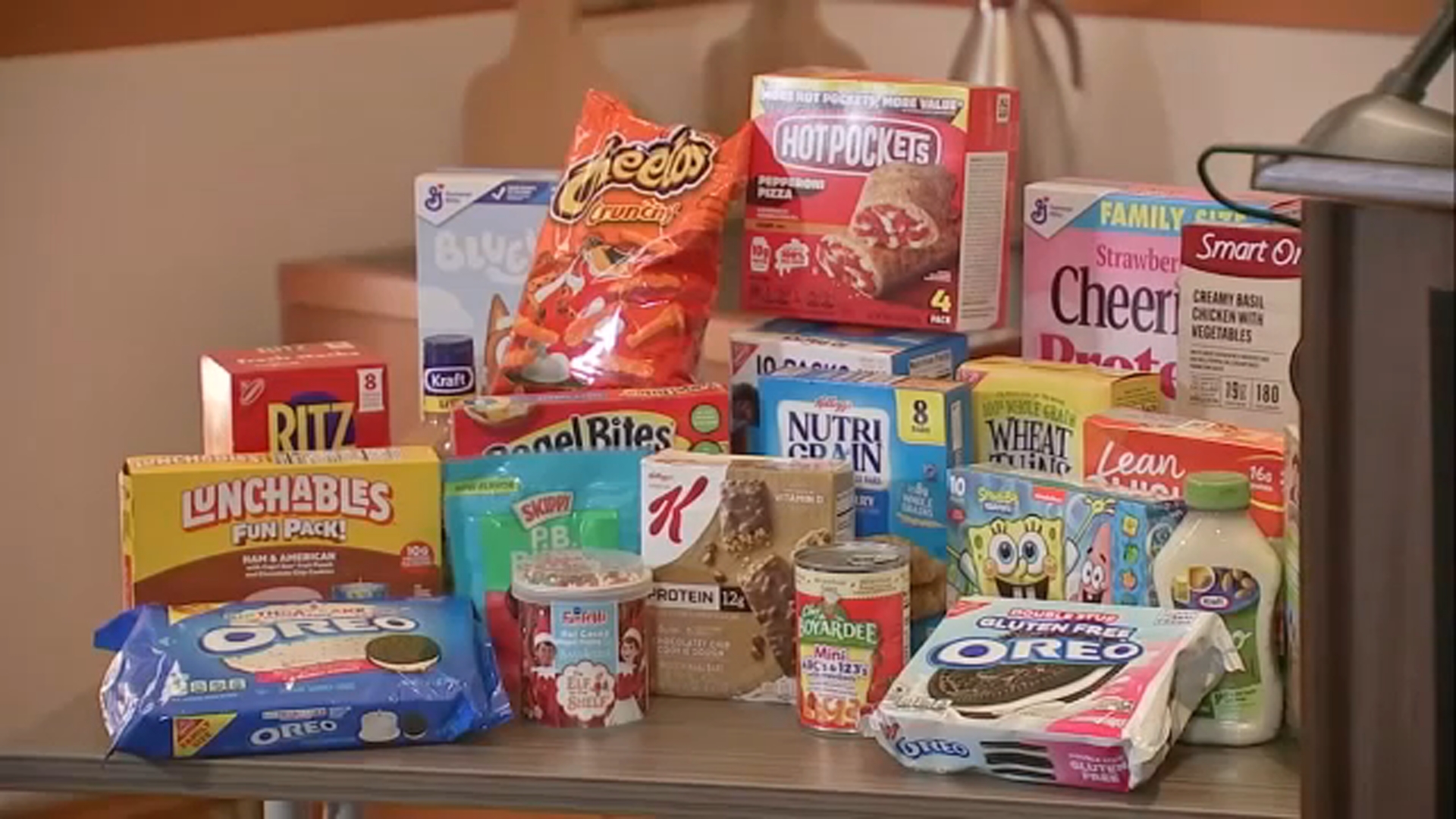

FRESNO, Calif. (KFSN) -- The state of California is taking charge in the fight against ultra-processed foods, with San Francisco becoming the first city to file a government lawsuit against food manufacturers over UPFs.
"They knew their products made people very sick but hid the truth from the public, profited from untold billions and left Americans to deal with the consequences," said San Francisco City Attorney David Hugh.
In a press conference on Tuesday, Hugh stood next to a table flooded with some of the most popular suspects.
The lawsuit claims that products are being falsely advertised and made with chemicals that make them highly addictive.
"These companies know their products are harming people, but they continue to market and profit off them, particularly at the expense of our kids," Hugh said.
Named in the 62-page complaint were some of the largest brands in the country, including Coca-Cola, Kellogg's and Nestle.
It comes just weeks after a study revealed that adults with diets containing high amounts of UPF have an increased risk of chronic disease.
In October, California became the first state to legally define UPFs, with the goal of ultimately banning them from public schools.
"I highly encourage changing one thing at a time, starting small. If that's looking at your sugar intake, try to keep it to less than 25 grams of added sugar a day, looking at your nutritional profiles," said nurse practitioner Rebecca Donahue.
She says the foods are made to be easy to over-consume, while adding little to no nutritional value.
"Stay out of the center aisles, because the center aisles are where all the processed foods are. If it's in a box, made by a machine with ingredients we can't read, we probably shouldn't be eating it," Donahue said.
For people looking to make a change, Donahue advises against a complete overhaul, suggesting small changes over time.
"It's a day-by-day process, and I tell my patients not to get caught up in the future, to make the right choices today and in a year, they'll be able to look back and see what all those daily right choices did for them," she said.
The lawsuit also calls on local governments to cover the costs of treating diseases caused by ultraprocessed foods.
It's asking for financial compensation for cities that have treated sick residents.
ABC reached out to several of the brands listed in the city attorney's lawsuit. They responded to the lawsuit from their trade group, Consumer Brands Association, with a statement, writing:
"The makers of America's trusted household brands support Americans in making healthier choices and enhancing product transparency. That's why food and beverage manufacturers continue to introduce new product options that include increased protein and fiber, reduced sugars and sodium, and no synthetic color additives. There is currently no agreed upon scientific definition of ultra-processed foods and attempting to classify foods as unhealthy simply because they are processed, or demonizing food by ignoring its full nutrient content, misleads consumers and exacerbates health disparities. Companies adhere to the rigorous evidence-based safety standards established by the FDA to deliver safe, affordable and convenient products that consumers depend on every day. Americans deserve facts based on sound science in order to make the best choices for their health." - Sarah Gallo, Senior Vice President of Product Policy, Consumer Brands Association.