UC Merced using wastewater to advance nicotine usage research
Tobacco use is a serious health concern in the Valley, with smoking rates among adults living in rural areas at 28.9%.


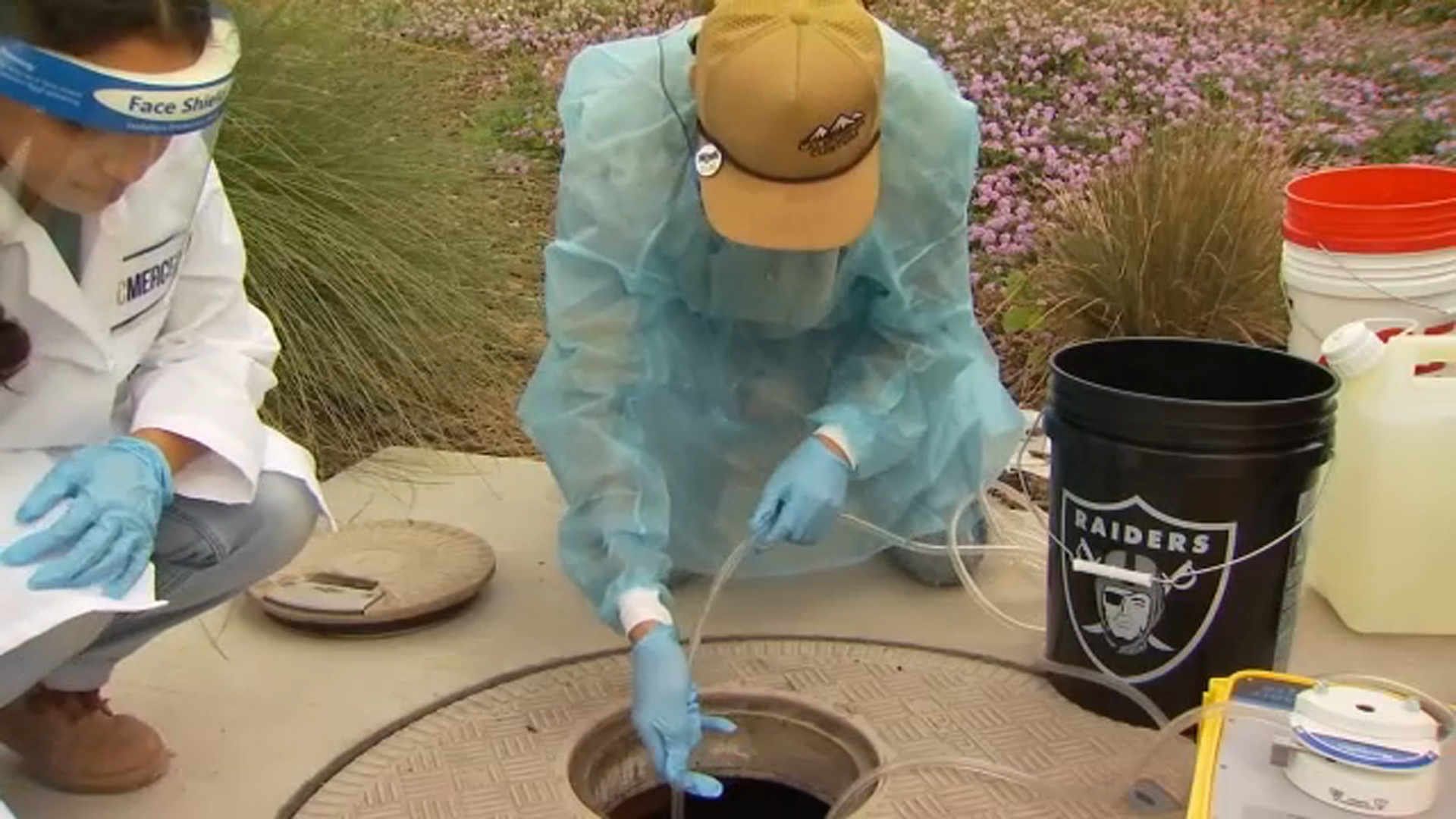
MERCED, Calif. (KFSN) -- Through a sewer shed, researchers at UC Merced take an inside look at nicotine usage across the Central Valley.
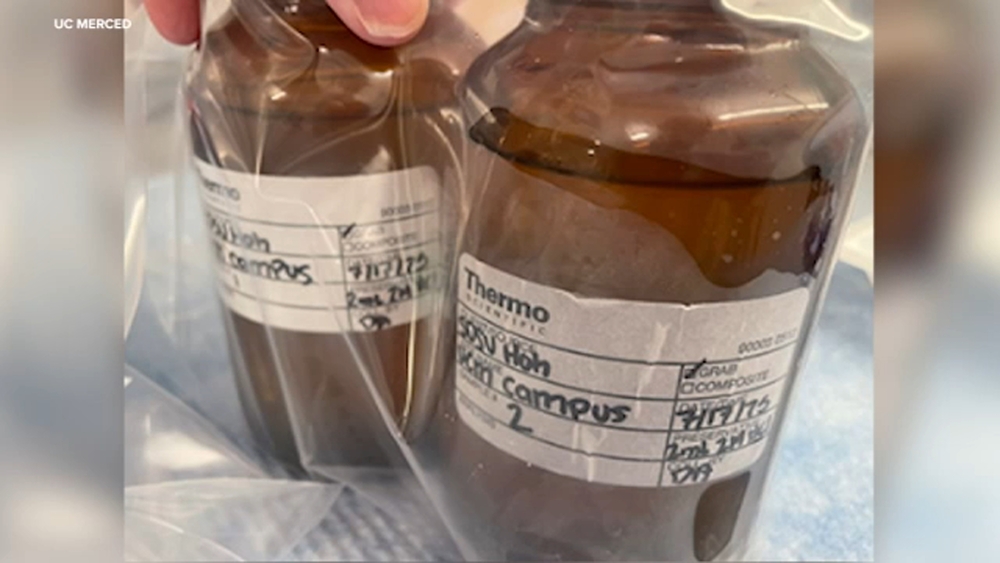
"Right now, we're lowering the tube so we can take another sample," said UC Merced graduate student Jonathan Chavez.
A clear tube is dropped 20 feet underground to pull a sample of wastewater that may have traces of nicotine from traditional cigarettes or even vaping.
"You've processed it, you've got your high, this is what's left over and some of those compounds are pretty stable," said UC Merced Professor of Environmental Engineering Marc Beutel. "What we can do is track those compounds as proof that people took in nicotine."
Tobacco use is a serious health concern in the Valley, with smoking rates among adults living in rural areas at 28.9%, which is notably higher than the general population at 11.5%.
"This is the first nicotine wastewater test that has been done in California, so it's definitely nice to think about it while we're probably the first ones to actually do this," said De'Liz Amador.
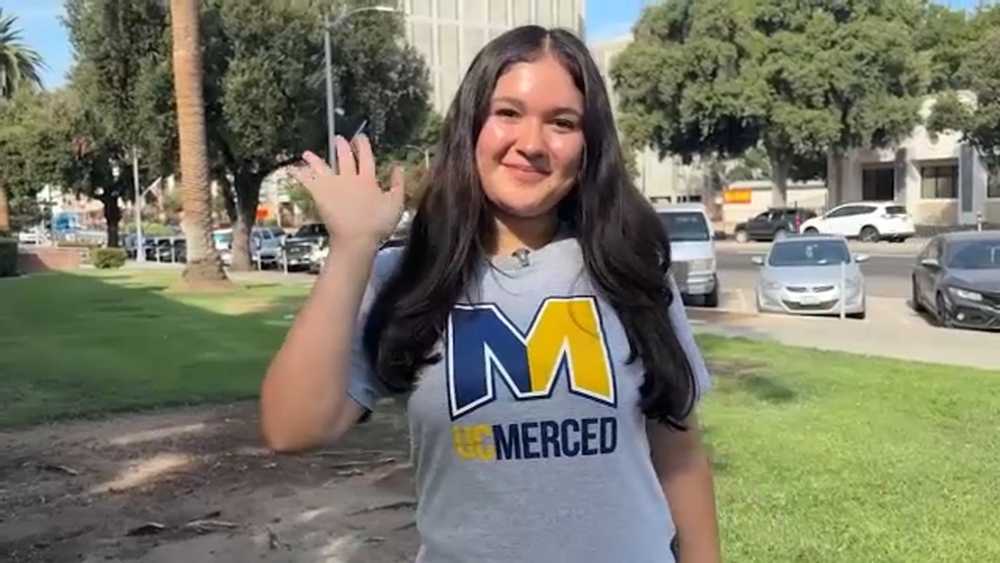
De'Liz Amador attended UC Merced for her undergraduate degree. Now, she's a PhD student and researcher under Dr. Colleen Naughten.
"It's nice to see how we can expand the field with a wastewater-based epidemiology and see how we can benefit public health," she said.
Dr. Naughten and her lab gained wide attention during the COVID-19 pandemic when they developed the first global dashboard for wastewater monitoring of the virus.

They've only grown their research since then.
"Expanding that from just pathogen margin, we also monitor for flu, respiratory virus, norovirus, the stomach flu and measles, so now we're adding nicotine, which is more of a chemical than a biological sample," Dr. Naughton said.
Samples are collected in various locations and will be sent off and analyzed. The data will be used to allow communities to track trends over time.
"Especially connected to the community and trying to provide them more data to make more informed decisions," Dr. Naughton said.
This team participates in monthly meetings with local public health departments and at the state level, so they can share the information collected and provide data for future initiatives in the Valley and beyond.
For news and weather updates, follow Brisa Colón on Facebook, Twitter and Instagram.