As school year begins, experts urge parents to watch for student stress and burnout


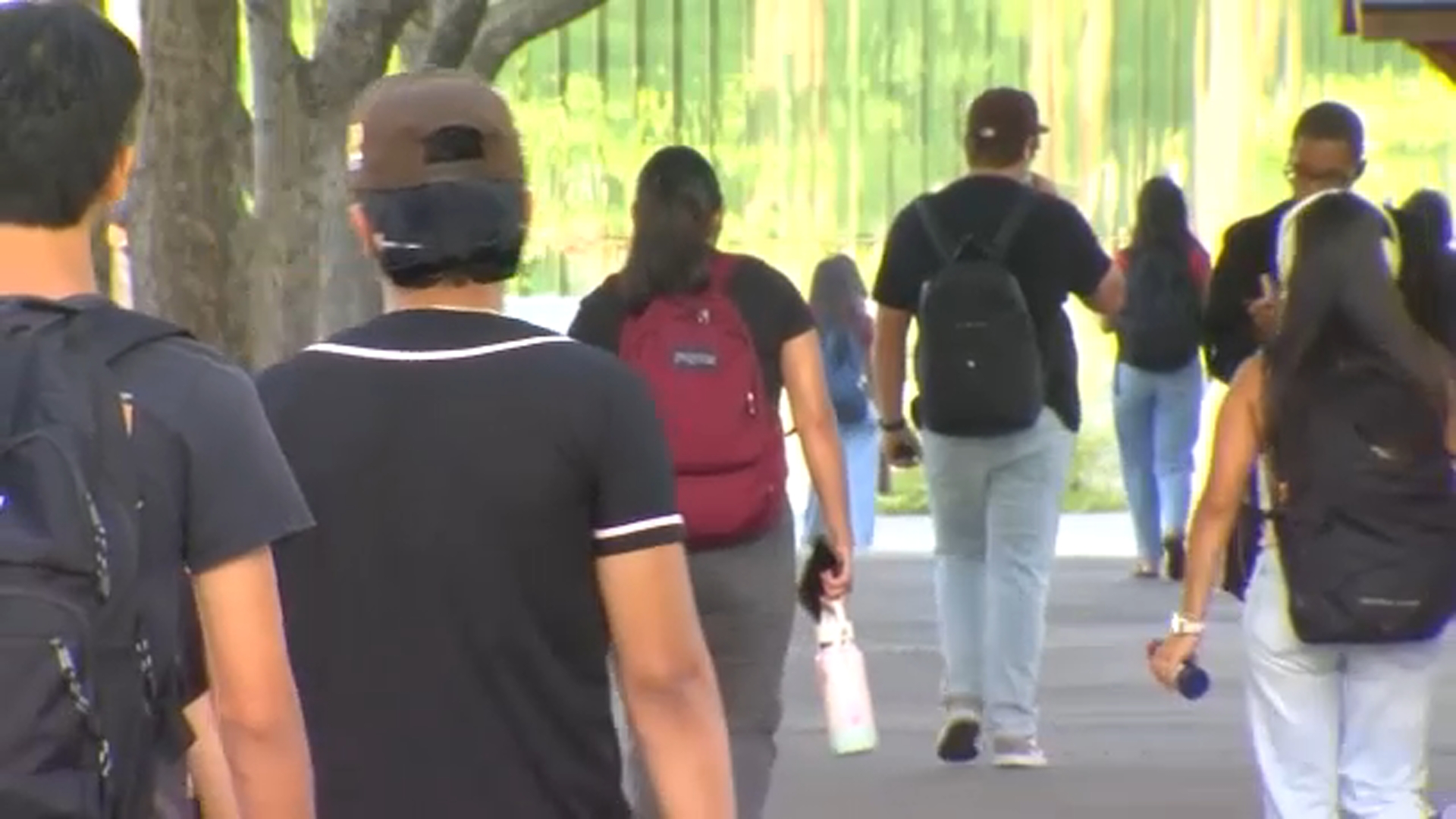
FRESNO, Calif. (KFSN) -- As students return to the classroom, academic stress remains a common reality for many young people.
According to the American Institute of Stress, 75% of high school students and 50% of middle school students say they feel stressed consistently. With a new school year underway, students are once again balancing exams, college application preparation, extracurricular activities and their personal lives.
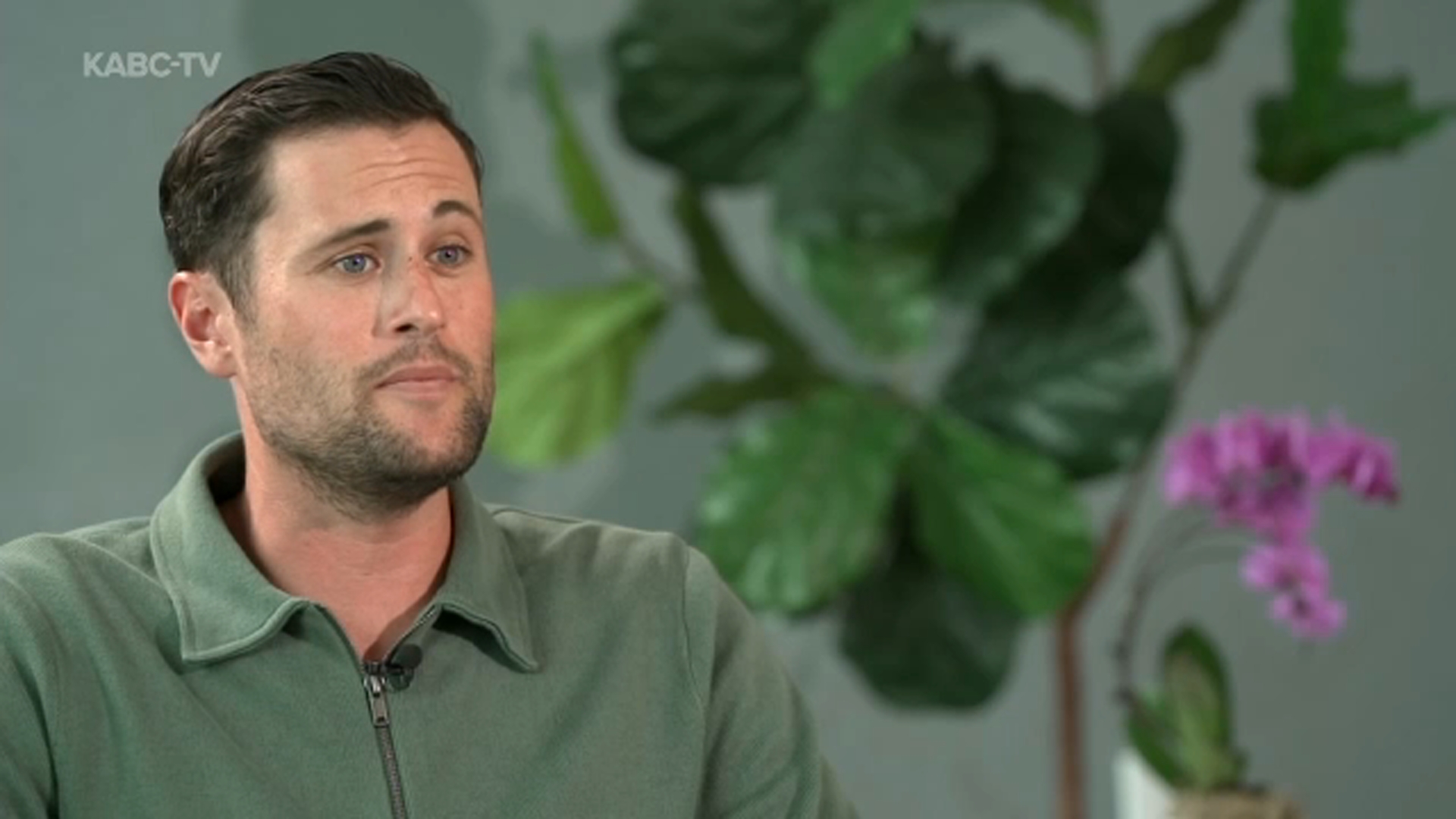
Dr. Mitul Patel, a pediatrician with Kaiser Permanente in Fresno, said the transition from summer break to the school year can be difficult and that families should pay close attention to students' mental health.
"So it's really important, especially in the beginning of the school year when everything is so new, new teachers, new schools, maybe even new friends if they're going to move, that we pay attention to our students and our kids to make sure we're not missing anything, especially with mental health and stress," Dr. Patel said.
Dr. Patel said parents should watch for signs of burnout and stress and avoid overscheduling students. He said families should make time for rest and have realistic discussions about academic and extracurricular commitments.
"Everyone wants to get into the best colleges and do their best. But sometimes taking five AP classes isn't for every student. Right?" Dr. Patel said.
He recommended having open conversations about what constitutes a reasonable workload for each student, both academically and through extracurricular activities or sports.
Dr. Patel also encouraged parents to watch for signs that stress may be escalating.
"The other thing is, as we're approaching testing and stuff, are they having panic attacks or are these emotions amplifying themselves? So pay attention. Those key things that we use, those are signs of stress and burnout in our teenagers," Dr. Patel said.
In addition to monitoring stress levels, Dr. Patel said parents should make themselves available through dedicated family time, regular check-ins, and open-ended conversations.
"How was your day? How do you feel prepared for things going on? Are you happy?" Dr. Patel said.
Creating a supportive environment and ensuring students have someone to talk to, whether a parent, friend or counselor, can help reduce stress and burnout. He also emphasized the importance of healthy habits, including proper nutrition and adequate sleep.
"Ideally, close to ten would be great, but at least 9 hours of sleep a night for decreasing burnout and stress," Dr. Patel said.
For students who are struggling with their mental health, Dr. Patel said parents should consider connecting them with additional support, such as a school counselor or pediatrician for therapy.
While he said it is reasonable for parents to expect students to do well in school, Dr. Patel encouraged families to focus on broader goals beyond academic achievement.
"The top two goals should be, Hey, are you being a nice person? And number two, are you taking care of yourself? If we emphasize those two things, then we will make sure we don't lead into stress, burnout and even signs of depression," Dr. Patel said.
Danyelle Burke North: For news updates, follow Danyelle Burke North on Instagram and TikTok.