Study finds social media use linked to anxiety and suicidal thoughts among youth


FRESNO, Calif. (KFSN) -- If you or someone you know is in emotional distress or considering suicide, call the National Suicide and Crisis Lifeline at 988 or 1-800-273-TALK (8255).
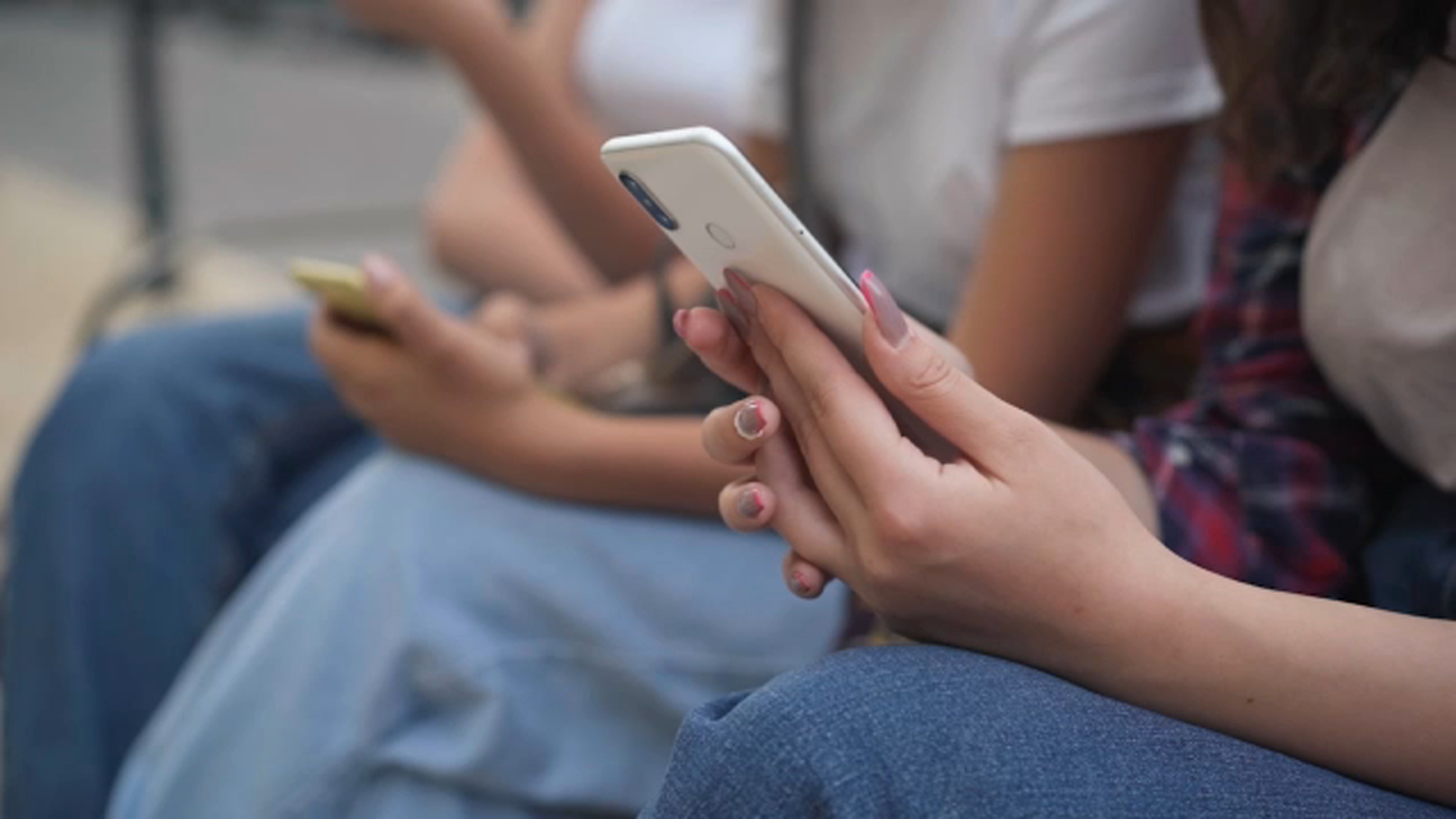
As National Wellness Month highlights mental health awareness, a recently published study found a connection between heavy social media use and increased risks of anxiety and suicidal thoughts among young people.
Research published in Pediatrics Open Science followed more than 1,000 youths over seven years, beginning when participants were about 12 years old.
According to the study, participants self-reported their social media use and mental health symptoms through annual surveys conducted between 2018 and 2025.
The study found that youth who spent more than six hours a day on social media had more than twice the odds of anxiety and more than three times the odds of experiencing suicidal thoughts compared with those who used social media for less than one hour a day.
Sarah Esparza, a Kaiser Permanente marriage and family therapist, said social media can contribute to unhealthy comparisons, particularly among teens and young adults who are still developing their sense of self.
Esparza also said excessive time spent "doomscrolling" can leave users focused on negative content and increase feelings of anxiety.
"The more time people spend doing that doomscrolling or sitting on social media, not only are they comparing themselves to what they're seeing, but they're also really that hyperfocus sometimes on the negative things that are happening in the world. Because not only are we finding things that might be, you know, the fun picture of the neighbor's puppy, that's cute. We're learning about losses that have happened, learning about difficult things that are happening in the world. That in turn, in that doomscrolling way, keeps your nervous system activated, which then is keeping anxiety at a heightened level and impacting our mood," she said.
While social media itself is not inherently positive or negative, Esparza said healthy use depends on setting boundaries and being mindful of online habits.


"It's not so much asking yourself even how much time I'm on social media, but how do I feel when I'm on it? What I'm consuming, what I'm consuming, how do I feel when I get off?" she said.
Esparza recommended turning off notifications, limiting social media use at night to avoid disrupting sleep and being intentional about the content users consume and the algorithms that shape their feeds.
She encouraged people to seek help as soon as they notice an unhealthy shift in their mental well-being and stressed the importance of maintaining real-world relationships and activities.
"Recognizing that it's just this little piece that you can enjoy, but it cannot replace what real life should be. Movement, being outside, making emotional connections with people," Esparza said.
As awareness of mental health grows during National Wellness Month, experts say recognizing unhealthy patterns and maintaining balance can help ensure social media remains only one part of daily life.
For news updates, follow Danyelle Burke North on Instagram and TikTok.