UC Merced researchers use wastewater to track nicotine use in Central Valley
Results showed nicotine consumption on the UC Merced campus was lower than in the three communities included in the study.


MERCED, Calif. (KFSN) -- Researchers at UC Merced are using wastewater samples to measure nicotine use across parts of the Central Valley, a pilot project they say offers a way to track smoking trends alongside traditional surveys.
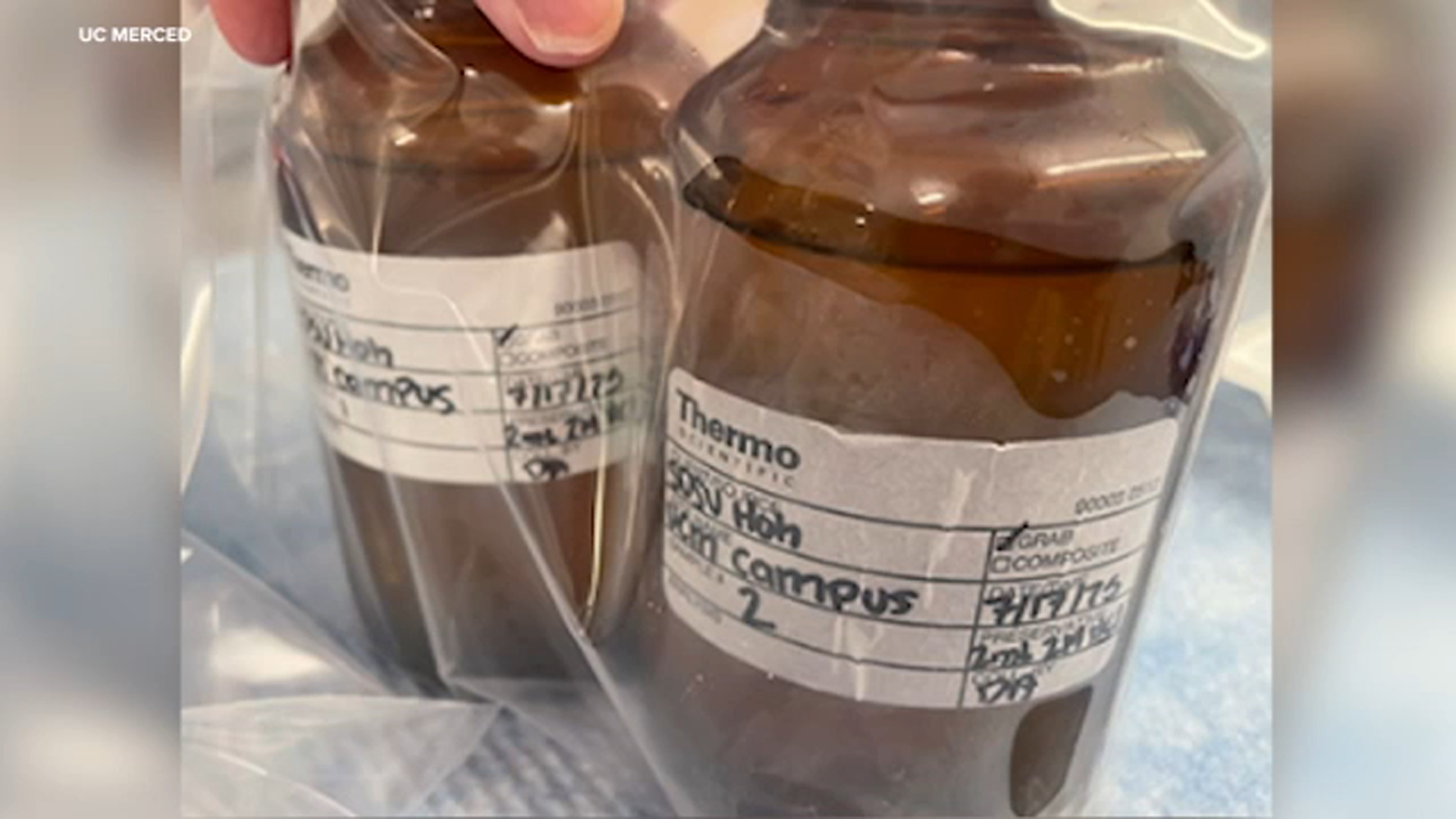
The project analyzed wastewater samples collected at treatment plants in Merced, Modesto and Woodland, as well as on the UC Merced campus.
"We know this stuff works, and we know this stuff works in other states. We know it works in Europe, and as they've stated, we're the first to actually, as we know of that, do this nicotine testing in wastewater in California," said Jonathan Chavez, a civil and environmental engineering PHD student at UC Merced. "We want to inform these public health communities that our own data, that they can use to properly be able to give supplies or any proper information to the public that is beneficial for them."
The study was funded through a pilot grant from the UC Merced Nicotine and Cannabis Policy Center. Samples were collected from July through December 2025.
"We did open up the maintenance hole in collaboration with facilities to take like a grab sample for the campus," said Dr. Colleen Naughton, a UC Merced civil and environmental engineering assistant professor.
According to the Centers for Disease Control and Prevention, about 9% of U.S. adults smoked cigarettes in 2024. The rate increased to about 16% in rural and nonmetropolitan areas.
"When you ingest the nicotine through smoking, it converts to a couple of chemicals we call biomarkers," said Dr. Marc Beutel, a UC Merced civil and environmental engineering professor. "That's our proof that tobacco, or at least nicotine, was processed by the human body."
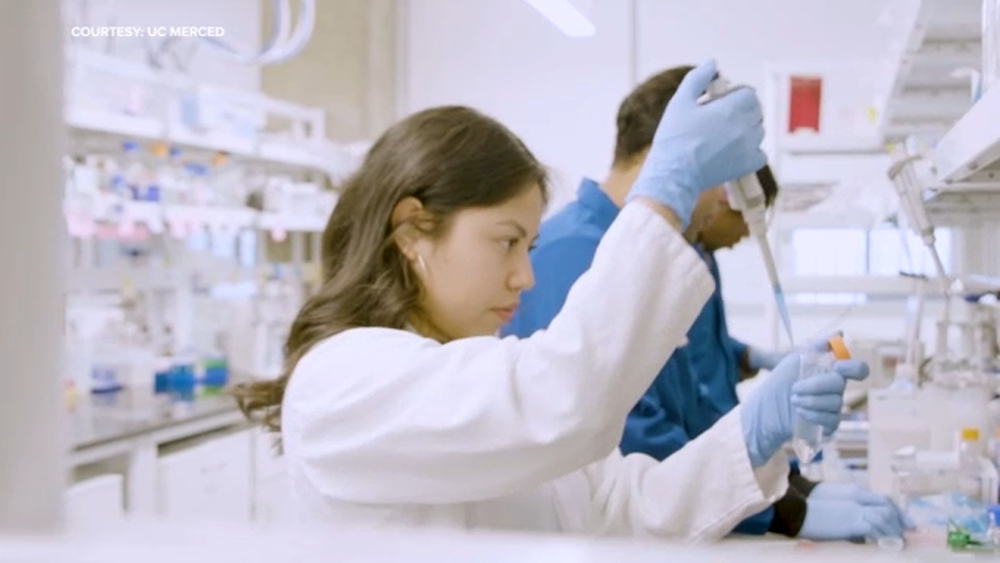
UC Merced collaborated with San Diego State University to analyze the samples. Researchers said wastewater monitoring can provide real-time trend data and serve as a complement to existing public health methods.
"It's a great compliment, not a replacement for community health data," Dr. Naughton said.
Results showed nicotine consumption on the smoke-free UC Merced campus was lower than in the three communities included in the study. Dr. Beutel said estimates for Merced aligned with survey data.
"We did it for the city of Merced, 5% or 6% is kind of the smoking prevalence our calculation is showing. That kind of corresponds pretty well with what the surveys are showing," he said.
Researchers emphasized that the testing was conducted on incoming wastewater before treatment and did not involve drinking water or identify individuals.
"These are influent samples, so it's like when the wastewater comes into the plant. It's wastewater and not drinking water. Your water is not contaminated with nicotine or products. It does go through a formal treatment process after that. This monitoring is not detecting individual people or able to detect communities or people of like who's smoking, who are not. It's an overall picture," Dr. Naughton said.
Scientists hope to expand the research to additional locations and continue monitoring over time to determine whether smoking rates are increasing or decreasing.
"Which is the whole goal of helping the state support and have like science-based evidence to support their policies to lower smoking in the state are working," Dr. Beutel said.
For news updates, follow Danyelle Burke North on Instagram and TikTok.